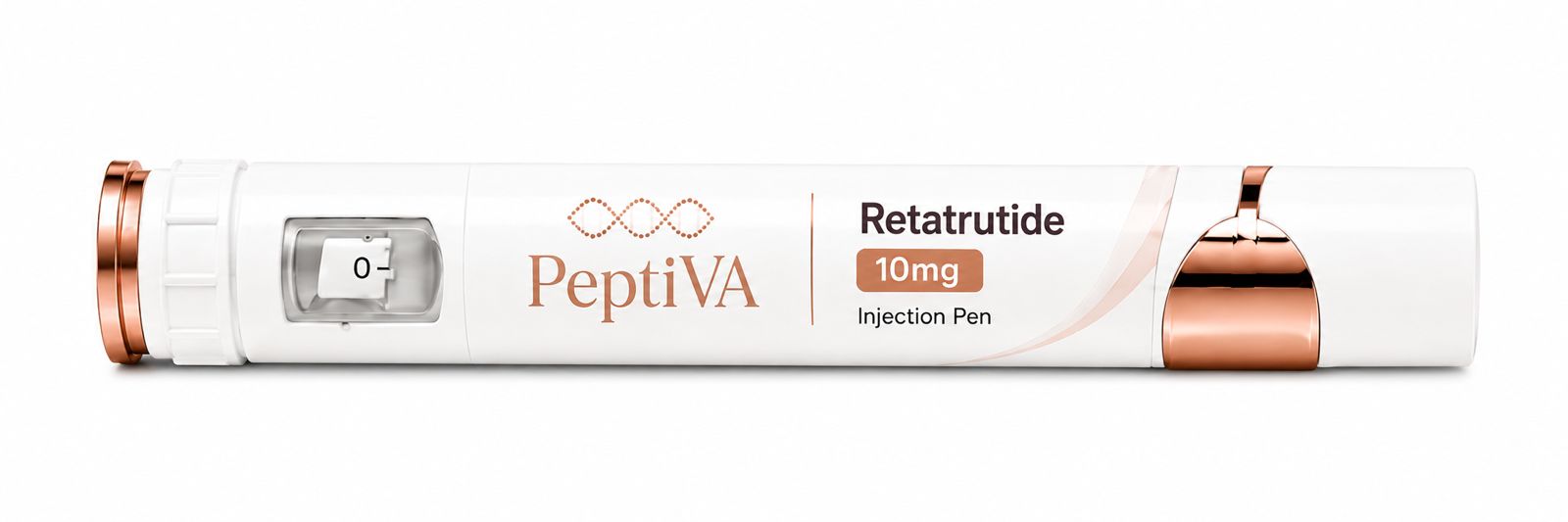
Retatrutide
Retatrutide is a triple-receptor agonist acting on GLP-1, GIP and glucagon pathways — the most advanced compound available for metabolic support and the most potent in its class. Used in metabolic support protocols for appetite signalling, energy expenditure and body composition. Typical Course: A full course runs 12 weeks. It begins with a 2-week loading phase at a low dose (0.5mg weekly) so you can assess personal tolerance, followed by a 4-week escalation phase (1–2mg weekly) with gradual increases, then a 6-week maintenance phase at the target dose (4mg weekly). Most customers notice initial effects around week 2, with results peaking around week 10. What to Expect: Appetite reduction, a shift in body composition, improved metabolic rate and changes in energy levels. Key benefits include best-in-class GLP-1-class potency, triple-receptor action, significant body composition effects and once-weekly administration. Considerations & Safety: Nausea is common during the first few weeks as the dose is gradually increased, and constipation is also possible. Common side effects include nausea, reduced appetite, injection site reactions, fatigue and constipation. Seek medical attention immediately if you experience severe persistent vomiting, signs of pancreatitis (upper-left abdominal pain), a rapid heart rate above 100bpm, or any allergic reaction.
10 mg
99.4%
750 AED
| Sequence | Available on request |
| Molecular Formula | C221H342N46O68 |
| Molecular Weight | 4731.3 g/mol |
| CAS Number | 2381089-83-2 |
| Form | Reconstituted injection pen |
| Purity | ≥ 99.4% |
Related Compounds
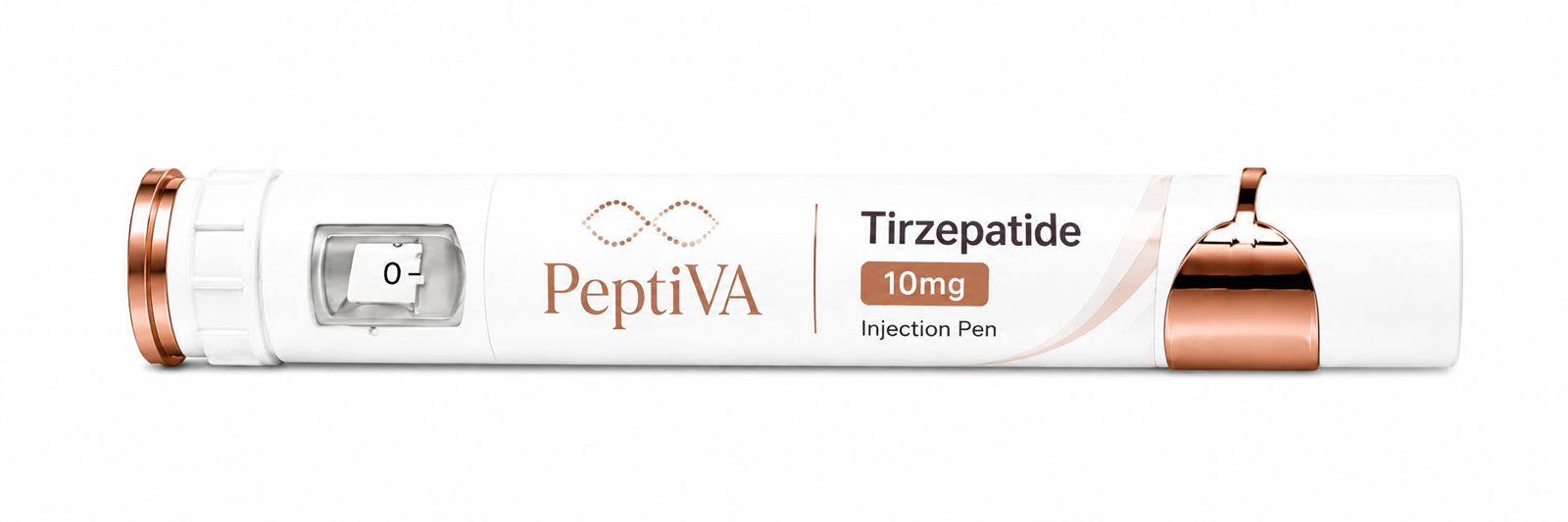
Tirzepatide
Dual GLP-1 / GIP agonist for metabolic support.
750 AED

Retatrutide + Cagrilintide
Triple agonist + amylin analogue blend
Combined incretin + amylin pathway blend.
1,250 AED
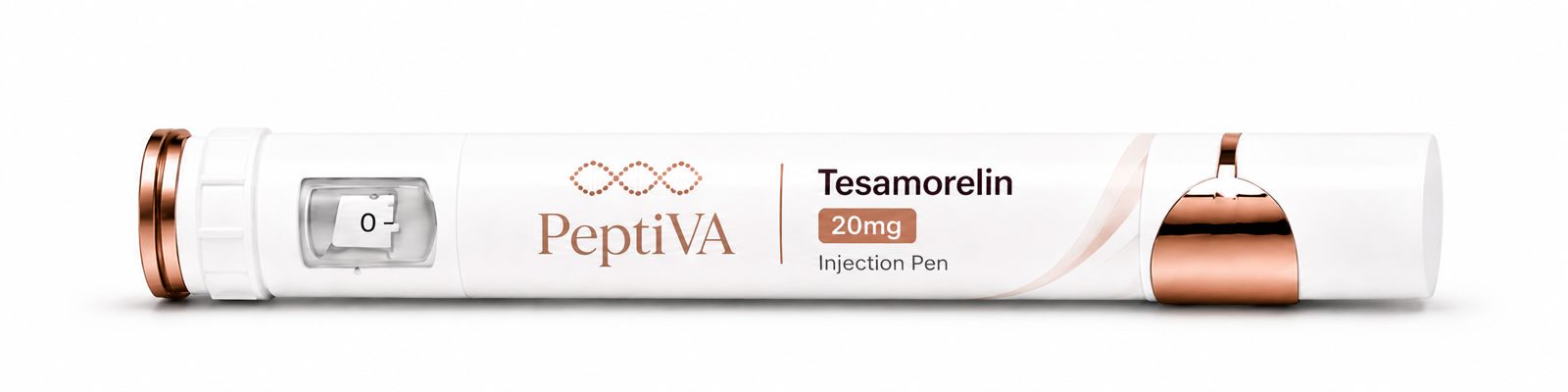
Tesamorelin
GHRH analogue used for visceral-fat support.
750 AED
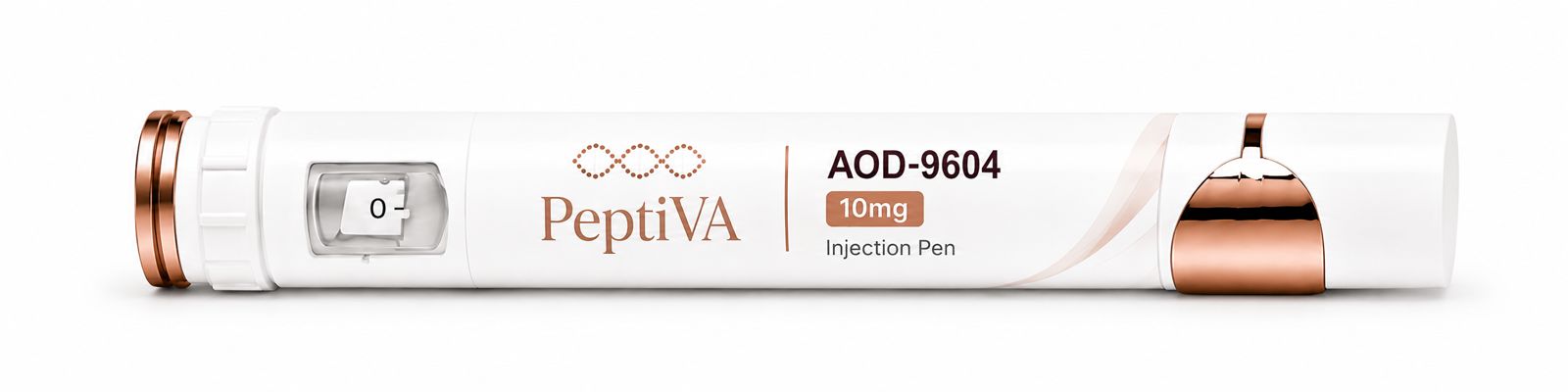
AOD-9604
hGH fragment 176-191
Modified growth-hormone fragment for lipolysis support.
1,000 AED